
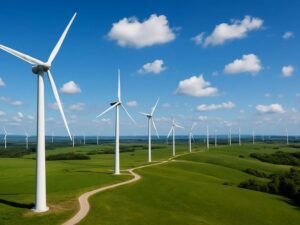
1. Introduction to Wind Energy Turbines
The first time I stood under a wind energy turbines, I’ll be honest, it freaked me out. The blades cut the air with this deep “whoooosh” sound, and I kept imagining one snapping off and flying across the field. (Totally irrational, I know, but when you’re under a 90-meter blade, your imagination gets… creative).
But then something clicked. That scary sound? It was literally the noise of clean electricity being made, right in front of me, without any smoke stacks, without oil tankers, without politicians arguing on TV about gas imports. That’s when I started paying real attention to wind energy.
2. Definition and Overview
At its heart, a wind turbine is a machine that catches moving air and converts it into electricity.
But these aren’t just farm windmills painted white. They’ve become:
ridiculously tall (some are higher than skyscrapers),
ridiculously powerful (a single offshore turbine can power thousands of homes),
and surprisingly smart (yes, turbines now have sensors and AI brains to adjust to the weather).
So when we say “wind turbine” today, we don’t just mean a fan-on-a-stick. We mean a piece of engineering that’s reshaping the global energy market.
3. Historical Context and Evolution
Quick rewind:
Ancient Persians had vertical windmills grinding grain.
Dutch windmills pumped water.
Farmers in 19th century America stuck small wind turbines on barns to run lights.
The 1970s oil crisis gave turbines a new push.
Denmark basically said, “we’re done with oil drama,” and became wind’s poster child.
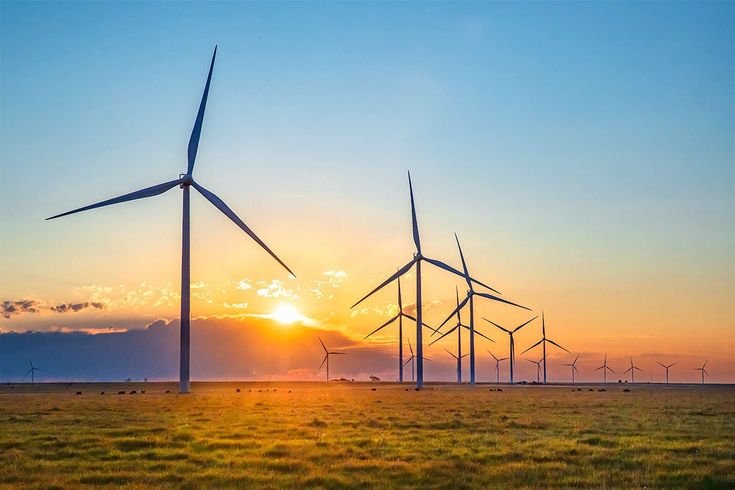
Now? China builds more turbines in a year than most countries manage in a decade.
So yeah — they’ve gone from rustic countryside symbols to global powerhouses.
4. How Wind Energy Turbines Work
Here’s the non-boring breakdown:
Wind hits blades → blades spin → rotor turns a generator → boom, electricity.
But the new tricks are what fascinate me:
Variable pitch blades that tilt themselves when the wind is too strong (so they don’t snap).
AI-based monitoring that predicts failures before they happen.
Floating turbines (imagine an oil rig, but instead of drilling, it’s just spinning happily).
Honestly, if you’ve ever fixed a squeaky fan at home, turbines are like that — just on steroids.
5. Types of Wind Energy Turbines
This isn’t a neat list, but let’s go messy:
Horizontal-axis: The “normal” ones you see on postcards.
Vertical-axis: Weird egg-beater-looking ones, good for cities.
Offshore giants: Out at sea, where winds are wild.
Floating: Anchored to the seabed with cables, bobbing like huge boats.
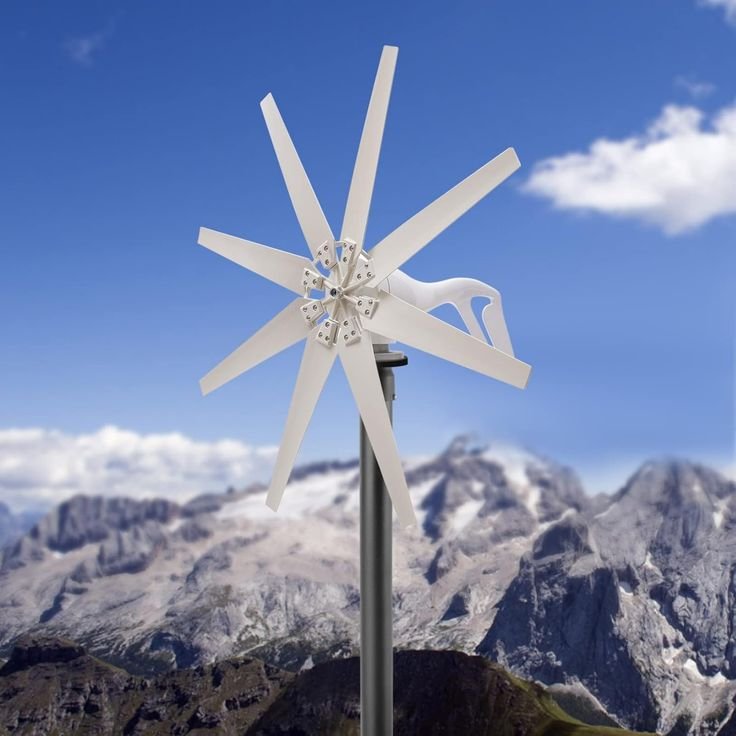
Tiny ones: People put them on boats, rooftops, even campers.
I once saw a homemade one made of old fan blades and scrap metal. Didn’t power much, but it worked.
6. Applications of wind energy turbines
You’d think it’s just “make electricity for the grid,” but nope:
Rural areas: tiny turbines keep lights on where no power lines reach.
Cities: experimental rooftop ones (though most neighbors hate the noise).
Offshore: massive farms like in the North Sea, powering millions.
Factories: some companies build private turbines to cut bills.
Even desalination: turning salty water into drinking water using wind.
Not gonna lie, some of these ideas sound cooler than they actually are in practice.
7. Benefits and Challenges
Good stuff first:
No carbon emissions while running.
Cheaper than fossil fuels now (yep, seriously).
Creates jobs in engineering, maintenance, shipping.
But… the headaches:
“Not in my backyard” complaints — people love wind, but not when it blocks their sunset.
Transporting blades the size of airplane wings = logistical nightmare.
Birds and bats do get hit (though tech is improving).
Wind doesn’t blow on command → storage is always the elephant in the room.
It’s not perfect, but honestly, what energy source is?
8. Ethical Considerations
Here’s where it gets tricky:
Who profits — the local community or some foreign investor?
Offshore turbines sometimes clash with fishermen’s rights.
Rich countries are building wind fleets, poorer ones often get leftovers.
Environmental trade-offs — is saving CO₂ worth annoying locals or messing up views?
I don’t have neat answers. No one does.
9. Popular Tools and How They Work
Some names of wind energy turbines if you’re curious:
Vestas (Danish giant).
Siemens Gamesa (crazy offshore projects).
GE Haliade-X (so tall it gives me vertigo).
Goldwind (China’s pride).
They’re like the Apples and Samsungs of the wind world, always trying to one-up each other with “the biggest wind energy turbines ever.”
10. Future Trends
This part always gets people excited:
Floating mega-farms way offshore.
Taller than Eiffel Tower turbines.
AI-based “wind + solar + battery” hybrids.
Bladeless turbines (still experimental, kind of funny looking).
Micro-turbines you could stick on balconies.
Some of these will flop. Some will take over the world. We’ll see.
11. Case Studies and Success Stories
Denmark: Half the country runs on wind — no exaggeration.
Texas: Wind sometimes beats coal there (which is ironic).
Scotland: Built one of the first floating farms.
Kenya: Lake Turkana wind farm lights up East Africa.
I’ve noticed a pattern: where governments actually back it, wind works. Where they don’t… turbines gather dust.
12. Conclusion and Key Takeaways
So, what do I take from all this?
Wind turbines aren’t just “ugly fans on a hill.” They’re proof we can make massive, clean power without choking the air. They’re not perfect, and I’ll admit, standing under one still makes me uneasy, but I’d take that whooshing noise over a coal plant’s smoke any day.
13. Frequently Asked Questions (FAQ)
Q: Do turbines work when there’s no wind?
Nope — but batteries and smart grids help.
Q: How tall are they, really?
Some are 250m+ (taller than Eiffel Tower).
Q: Are they dangerous to wildlife?
They can be, yes. But new designs are trying to reduce collisions.
Q: Can I get one for my house?
If you’ve got the space, yes — but most urban ones aren’t worth it.
Q: Will wind replace fossil fuels? Not alone. But as part of a mix, it’s huge.
1 thought on “Wind Energy Turbines”