
Introduction to Autonomous Drones
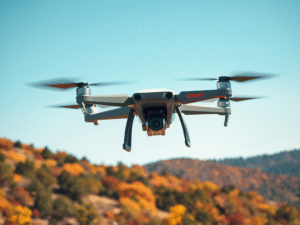
Picture this: a drone soaring through the drones sky, figuring out its own path, dodging obstacles, and getting jobs done—all without someone on the ground fiddling with a controller. It’s basically a flying sidekick! These little wonders are shaking up everything from dropping off your online orders to scouting out disaster areas.
Once confined to sci-fi movies, autonomous drones are now very much a part of our world, revolutionizing fields like shipping, farming, security, and even movie-making. Let’s explore how they tick, where they came from, what they’re used for, their upsides, and what’s next on the horizon.
Definition and Overview
At its core, an autonomous drone is an unmanned aerial vehicle (UAV) that runs on its own, needing little to no human oversight. Unlike old-school drones that demand a pilot at the helm, these smart ones rely on built-in sensors, cameras, GPS, and clever AI algorithms to call the shots mid-flight.
They handle things like:
Mapping out routes
Spotting and steering clear of hurdles
Gathering and crunching data
Wrapping up assignments solo
In essence, they’re robotic flyers that think and react independently.
Historical Context and Evolution
The concept of self-flying gadgets isn’t new—it’s been brewing for ages. Drones kicked off in the military back in the 20th century, mainly for spying and scouting.
1930s–1940s: Early versions popped up in World War II as targets for training.
1960s–1980s: Military tech leveled up with smarter controls and cameras.
2000s: Everyday drones hit the scene, but they were still remote-operated.
2010s–Present: AI and fancy sensors turned them into truly independent flyers.
Nowadays, autonomous drones aren’t just for the armed forces. They’re popping up in e-commerce, agriculture, film sets, and emergency services.
How Autonomous Drones Work
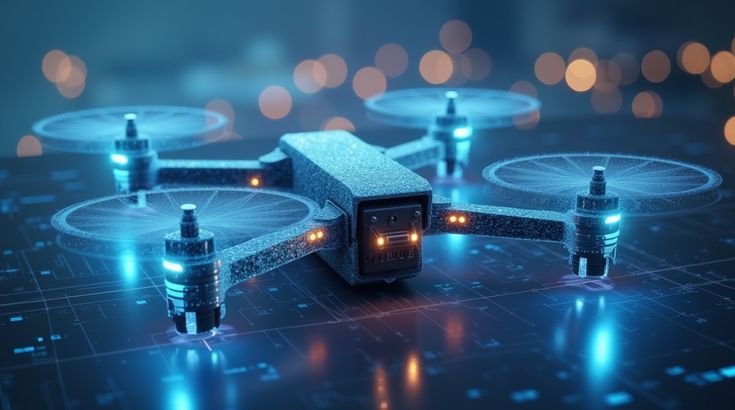
These drones blend cutting-edge hardware and software to go it alone.
Key Technologies
GPS Navigation: Keeps track of position and plots courses.
Computer Vision: Uses cameras and sensors to recognize objects and landscapes.
AI Algorithms: Powers split-second choices and evasion tactics.
LIDAR & Radar: Builds 3D views of the environment.
Edge Computing: Handles data right on the drone, not just beaming it elsewhere.
Training Process
Training an autonomous drone is a lot like how people pick up skills through trial and error. They lean on machine learning methods, including:
Simulation Training: Safe virtual worlds for practice runs.
Data Collection: Scooping up flight logs, pics, and sensor readings.
Algorithm Improvement: The AI learns from slip-ups to get better at navigating and deciding.
Types of Autonomous Drones
- Fixed-Wing Drones – Perfect for covering long stretches and surveying land.
2. Multi-Rotor Drones – Excellent for snapping photos from above or checking structures.
3. Hybrid Drones – Mix the best of fixed-wing and multi-rotor designs.
4. Nano Drones – Tiny and nimble, ideal for indoor spots or cramped areas.
5. Swarm Drones – Teams of drones collaborating on big jobs like rescues.
Applications
Logistics: Companies like Amazon and UPS use them for zipping packages to doorsteps.
Agriculture: Keeping an eye on crops, spraying fields, and checking soil health.
Surveillance & Security: Watching borders, crowds, or properties.
Disaster Management: Dropping supplies in hard-hit zones like floods or quakes.
Environmental Monitoring: Observing animals, pollution levels, and forest loss.
Construction: Surveying sites, ensuring safety, and tracking builds.
Media & Entertainment: Shooting films, covering events live, and capturing stunning shots.
Benefits and Challenges
Advantages
They keep people out of harm’s way in risky spots.
Cut down on time and expenses in areas like deliveries and farming.
Deliver top-notch info for smarter choices.
Tackle remote or dangerous locations.
Boost overall speed and output.
Challenges
Steep costs for building and upkeep.
Worries over privacy and hacking.
Chance of crashes from glitches.
Rules and limits varying by country.
Short battery time and weight limits.
Ethical Considerations
Awesome tech like this comes with big questions. Autonomous drones spark debates on:
Privacy Issues: Sneaky watching and data grabs without permission.
Military Use: Fears around self-operating weapons.
Safety Risks: Dangers from misuse or breakdowns in crowded places.
Job Replacement: Cutting roles in shipping or farming.
Striking a balance between cool advancements and doing the right thing is key to getting everyone on board.
Popular Tools and How They Work
Skydio 2+: Stands out for top-tier vision tech and hands-off following.
Parrot Anafi AI: Geared for pro work with 4G links.
Amazon Prime Air Drones: Tailored for deliveries with spot-on landing.
They all mix GPS, AI, and sensors to cruise safely without nonstop human tweaks.
Future Trends
Everyday drone deliveries going big.
Swarms teaming up with smart coordination.
5G hookups for quicker data swaps.
City skies buzzing with people-carrying drones.
Eco-friendlier vibes via solar power.
Case Studies and Success Stories
1. Amazon Prime Air: Nailed test deliveries in certain spots.
2. Zipline: Delivers critical meds in places like Rwanda and Ghana, saving lives.
3. Skydio Drones: Helps U.S. firefighters with searches and rescues.
4. Agricultural Drones in Japan: Aids farmers in boosting harvests and cutting back on chemicals.
Conclusion and Key Takeaways
Autonomous drones have jumped from fantasy to everyday tools, reshaping how we handle deliveries, emergencies, and more. But to go full steam ahead, we need to tackle regs, privacy, and safety head-on.
Key Takeaways:
Applications span shipping, security, farming, and rescues.
Tomorrow brings swarms, 5G, and green innovations.
Frequently Asked Questions (FAQ)
Q1: What makes a drone autonomous?
It’s when a drone can navigate, dodge stuff, and finish tasks without constant human guidance.
Q2: Are autonomous drones safe?
Mostly, yeah. But they need tight rules, upkeep, and responsible handling to stay that way.
Q3: Can autonomous drones deliver packages?
Absolutely. Outfits like Amazon and Zipline are already at it for goods and meds.
Q4: What industries benefit most from autonomous drones?
Farming, shipping, security, movies, and emergency response top the list.
Q5: What is the future of autonomous drones?
Look for bigger delivery ops, team-based smarts, green power, and maybe even flying taxis.