
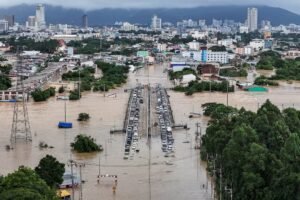
Asia is facing one of its deadliest climate disasters in recent years, as catastrophic floods and storms have devastated several countries, killing more than 700 people and leaving hundreds missing. Indonesia and Thailand have been hit the hardest, where emergency teams continue round-the-clock rescue operations.
Indonesia Searches for Hundreds Missing After Deadly Floods
Indonesia has declared a national emergency after powerful flash floods swept through multiple provinces, destroying homes, roads, and bridges. Heavy monsoon rains triggered landslides that buried entire villages, forcing thousands of families to flee to temporary shelters.
According to Indonesia’s National Disaster Management Agency, over 320 people remain missing, while the confirmed death toll continues to rise each day. Local officials say many remote areas are still unreachable due to collapsed infrastructure and blocked roads, raising fears that the real number of casualties may be even higher.
Rescue teams, including military units, firefighters, and volunteers, are using boats and helicopters to search for survivors. However, strong currents and continuous rainfall have slowed operations significantly.
Authorities report that the worst-affected regions include Sumatra, South Sulawesi, and West Java, where entire rivers overflowed overnight. “We are racing against time,” said one rescue commander. “Many people may still be trapped under the mud.”
Thailand Battles Widespread Flooding as Storms Intensify
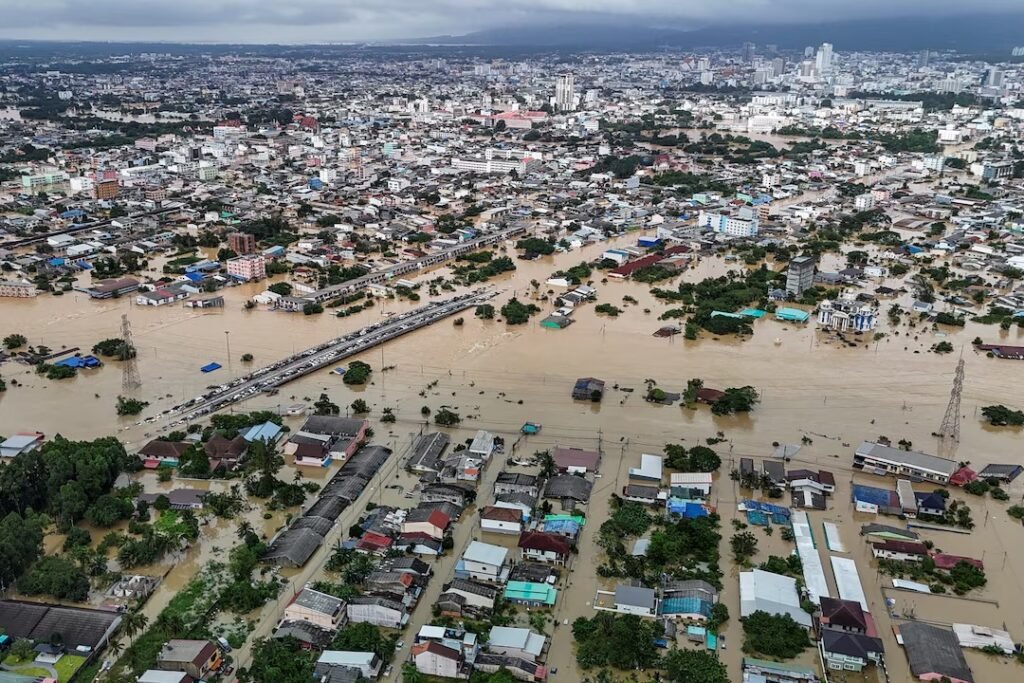
Thailand is also facing a severe humanitarian crisis after relentless storms caused rivers to burst their banks, sweeping through cities and rural areas. Government officials have confirmed over 400 fatalities so far, with dozens still missing.
More than 100,000 residents have been evacuated as water levels reached record highs in several provinces, including Chiang Mai, Nakhon Ratchasima, and Ayutthaya. Emergency shelters are overcrowded, and authorities warn that additional rainfall is expected in the coming days.
Prime Minister Srettha Thavisin appealed for calm, assuring citizens that military forces are fully mobilized. Boats, rescue drones, and high-water vehicles have been deployed to support search and relief operations.
Thailand’s Meteorological Department reports that this year’s storms are among the strongest in decades, driven by abnormal weather patterns linked to climate change and warming ocean temperatures.
Deadly Storms Across Asia: Over 700 Lives Lost
The flooding in Indonesia and Thailand comes as part of a larger regional climate disaster, with extreme storms affecting Myanmar, Vietnam, and the Philippines as well.
Environmental experts warn that over 700 people have died across Asia in the past two weeks alone due to:
1.Flash floods
2.Landslides
3.River overflows
4.Cyclone-level storms
5.Dam failures triggered by heavy rainfall
Millions of households have lost electricity, crops have been destroyed, and transportation networks have suffered severe damage.
The United Nations has issued a statement expressing concern over the growing climate-related risks in Southeast Asia. “This tragedy highlights the urgent need for stronger disaster preparedness and climate-resilient infrastructure,” the statement noted.
Climate Change Raises Alarm Bells
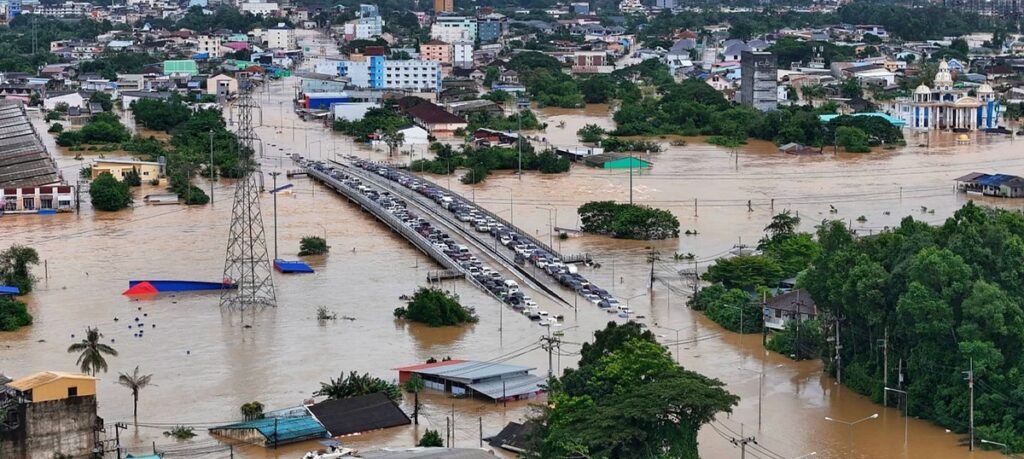
Meteorologists and climate scientists say that extreme weather events like these are becoming more frequent and more dangerous. Warmer oceans and irregular monsoon cycles are releasing larger volumes of moisture into the atmosphere, resulting in sudden, intense rainfall.
Southeast Asia is one of the world’s most vulnerable regions to climate-induced flooding. Low-lying cities, dense populations, and limited drainage systems make storms even more destructive.
Experts predict that similar disasters may increase in the coming years unless countries invest heavily in:
1.Flood-resistant infrastructure
2.Early warning systems
3.Stronger emergency response networks
4.Sustainable river and water management
International Aid and Support Mobilized
Several countries and humanitarian organizations have offered support to Indonesia and Thailand. Emergency supplies—including food packages, medical kits, temporary tents, and clean water—are being delivered to the affected areas.
Rescue teams from Japan, Australia, and the United States are expected to assist with search operations, especially in remote Indonesian regions where local teams are struggling to access landslide-hit villages.
International and local humanitarian groups emphasize that the immediate priority is to save lives, but long-term recovery will require extensive resources and rebuilding efforts.
A Region in Mourning, but Hope Continues
As rescue operations continue, families across Asia wait anxiously for news about missing loved ones. The scale of destruction is overwhelming, but communities and volunteers are uniting to support one another.
Despite the devastation, authorities remain determined. “We will not stop searching until every missing person is found,” said an Indonesian rescue official.