
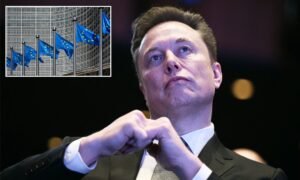
Elon Musk Call to Abolish the EU and Restore National Sovereignty
“Elon Musk criticizes the European Union after a major fine on X, calling for the EU to be abolished and sovereignty restored to individual nations. His stance aligns with Donald Trump’s warnings about EU bureaucracy, free speech suppression and Europe’s political decline.”
Elon Musk deserves recognition for criticizing the European Commission and advocating for the end of the EU. Musk stated, “The EU should be abolished and sovereignty should go back to individual countries, so that governments can better represent their people.” His views are similar to those of Donald Trump, who has labeled the EU a threat to the United States and harmful to American interests. In a recent interview, Trump described much of Europe as “decaying” and suffering under “weak” and “politically correct” leaders.
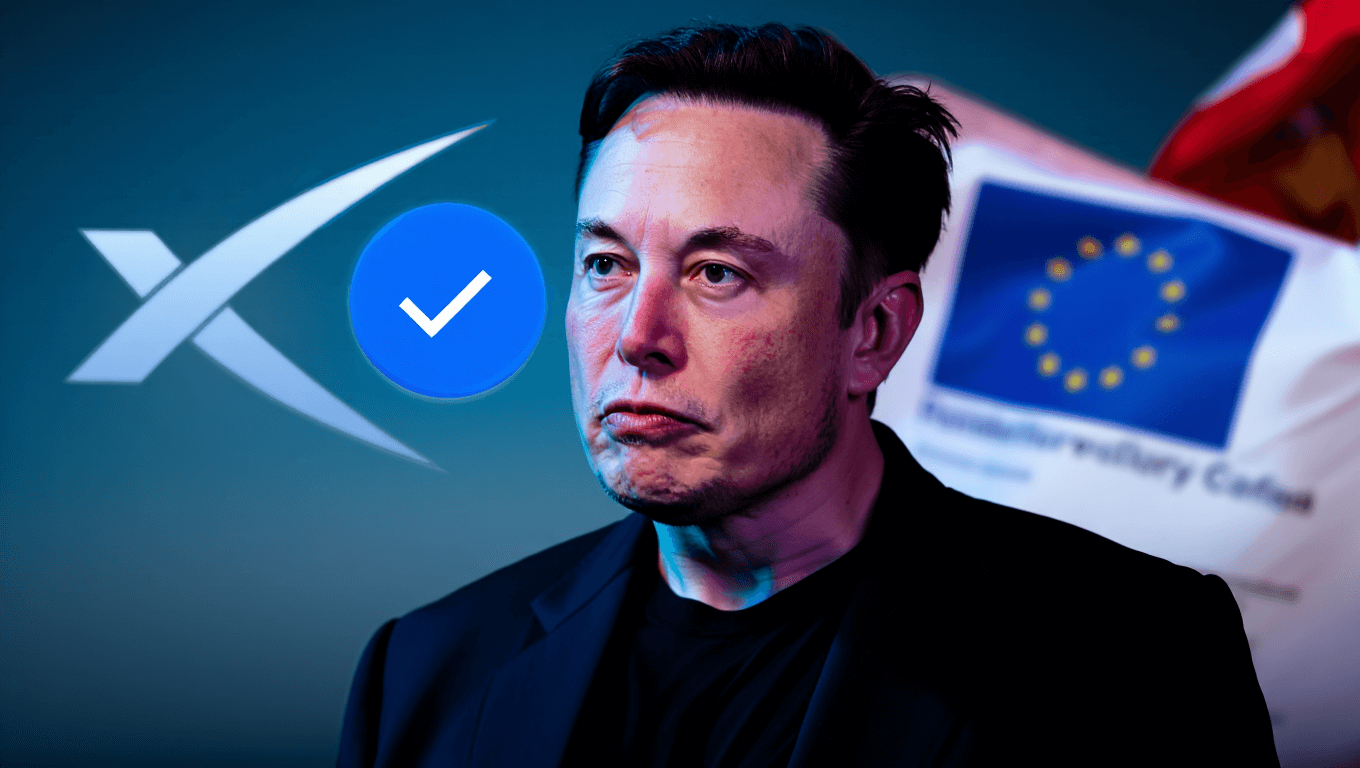
Musk’s comments followed the EU imposing a hefty fine on his company, X, of €120 million (about $105 million) for not adhering to transparency rules under the Digital Services Act. The EU pointed to issues such as the “deceptive design” of X’s “blue checkmark,” a lack of transparency in its advertising system, and failing to provide researchers access to public data. Many believe this fine is more political than about compliance, arguing that the real concern is that X challenges those opposed to free speech.
Many view the EU as a powerful entity representing despotism, socialism, mass migration, the suppression of free speech, and the loss of national sovereignty. Numerous US officials and members of Congress consider the EU undemocratic, run by unelected bureaucrats without accountability. Secretary of State Marco Rubio has supported Musk, warning that the EU’s actions represent an “attack on all American tech platforms and the American people by foreign governments.”
Some believe the EU should face sanctions and be barred from entering the US and attending the World Cup next year. This would signal that the US will not tolerate attacks on American citizens and businesses in Europe. The EU poses significant challenges for the US and the transatlantic alliance. It is characterized by big government, leftist ideas, and struggles with open-border policies that threaten the future of Western civilization. As Trump and his vice president, JD Vance, have noted, Europe is facing a crisis of its own making, and countries like China and Russia are exploiting that weakness.
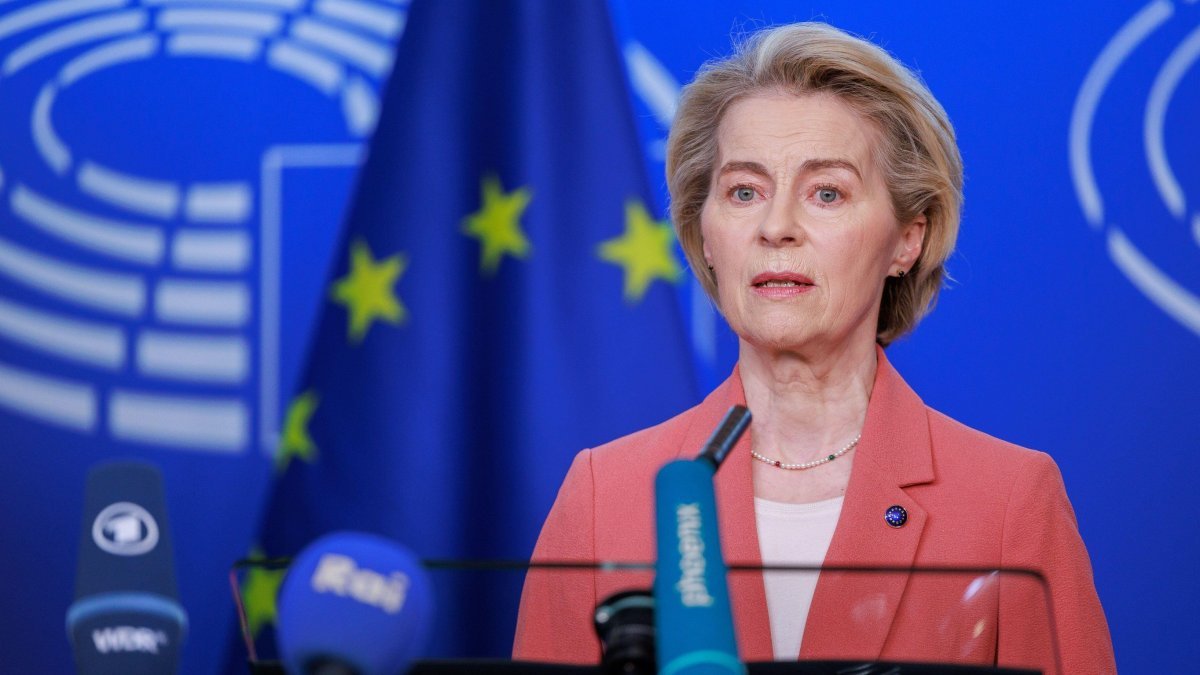
It is in the US’s interest to support sovereign countries that share its values and rely on democratic accountability. As Musk remarked, “The European Union is not democracy—rule of the people—but rather bureaucracy—rule of the unelected bureaucrat.”
While the US cannot single-handedly end the EU, which began as the European Coal and Steel Community in 1951 with US backing, it can advocate for national sovereignty and self-determination in Europe. The US can challenge Brussels’ power and align with a movements that seek to escape the EU.
Trump has strongly backed Brexit and his administration recognizes that Britain’s departure from the EU marked a pivotal moment for Europe’s future. The White House should build on this by calling for Brexit-like referendums in the EU, allowing European citizens to determine their own futures.
Just as the US supported dissidents in the Soviet Union resisting Moscow’s oppression, it should back those in Europe who want democracy and sovereignty restored across the continent, reclaiming power from Brussels. The EU is not like Communist Russia and does not present a military threat to the US. However, it is evolving into a more authoritarian system, disregarding dissent, disrespecting democracy, and increasingly willing to stifle free speech.
Musk deserves credit for his strong defense of free speech in Europe and for resisting censorship and intimidation. His opposition to the EU is fair and courageous, contributing to a growing shift in the US’s approach to Europe. The era of US support for the European Project has ended, and the transatlantic alliance will fare much better without the EU.