
If you’ve been shopping online lately and felt like prices are changing faster than you can keep track of, you’re definitely not imagining it. The online marketplace in 2025 Pricing has turned into this strange mix of algorithms, pop-ups, and “special offers” that seem to appear out of nowhere. A lot of it is clever marketing; some of it borders on manipulative pricing. And most of it leaves regular shoppers wondering: What am I actually paying for?
Retailers, of course, insist everything is above board.
A spokesperson for a big online store recently said, “Modern pricing is data-driven. We offer personalized value.” Which sounds nice, but doesn’t really make anyone feel better about the fact that the price of a toaster can change three times in a single afternoon.
At a digital-consumer forum earlier this year, someone said something that pretty much captured how many shoppers feel:
“I don’t even know what the ‘real’ price is anymore. Everything seems designed to push you to checkout before you can think.”
And honestly? That’s hard to argue with.
The Tactics You’re Most Likely Running Into
Dynamic Pricing (aka the “Why is this item suddenly $14 more?” problem)
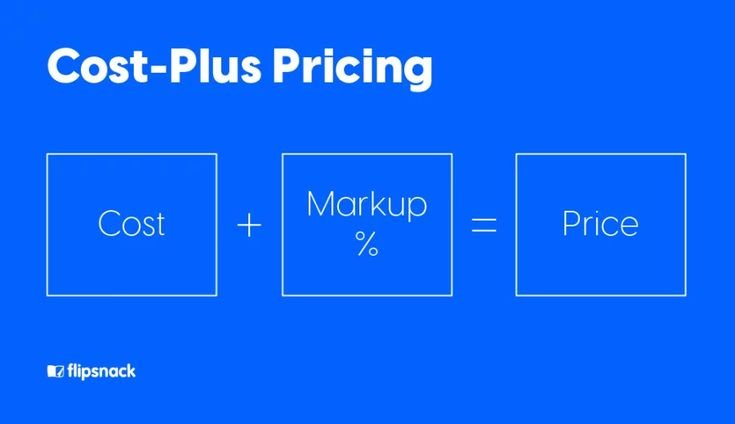
Prices aren’t static anymore. Sites tweak them based on everything from demand to your browsing history to whether you hesitated too long on a product page. Two people can look at the same listing and see two different prices — not exactly comforting if you’re trying to budget.
Countdown Timers & “Only 2 Left!” Alerts
Some of these are real. A lot aren’t.
Retailers know that a little pressure goes a long way, so you’ll see timers, warnings, little red text shouting about low stock… even when the stock magically “refreshes” the moment the timer runs out. It’s not illegal. It’s just… persuasive design turned up a bit too high.
The Fees That Sneak In at Checkout
This is probably the biggest pain point for people right now. You think you’re paying $29.99, but by the time you actually hit the checkout button, you’re staring at three extra charges you didn’t expect:
“service fee”
“processing adjustment”
“online convenience charge”
Most of these aren’t new services — they’re just new names for more money.
A policy analyst from a consumer-rights group put it pretty bluntly:
“Add-on fees let companies raise prices without admitting they’ve raised prices.”

And that pretty much sums it up.
The Weird New Trend: Tokenized Pricing
This one is still emerging, and honestly, a lot of shoppers don’t fully get it yet — which is probably why it’s catching on. Some companies are now selling access to things like upgrades, digital perks, or subscription bundles through blockchain tokens. You can buy them, trade them, resell them… kind of like little digital chips.
It’s interesting, and potentially useful, but it also raises a lot of questions. When something is owned by hundreds or thousands of anonymous token holders, it becomes harder to tell who’s actually benefiting or funding the platform. Good for innovation; not great for transparency.
1 thought on “Online Pricing Tricks: A Beginner’s Look at What’s Really Going On in 2025”